
Types of baby rashes and how to effectively treat them


A Parent’s Guide to Common Baby Rashes (and How to Treat Them)
Finding a new rash on your baby’s soft skin can be alarming, but it is one of the most common reasons parents visit the clinic. Most infant rashes are harmless and clear up quickly with the right at-home care.
Knowing what you are dealing with is the first step to bringing your little one relief. Here is a quick breakdown of the most common types of baby rashes, how to identify them, and how to effectively treat them.
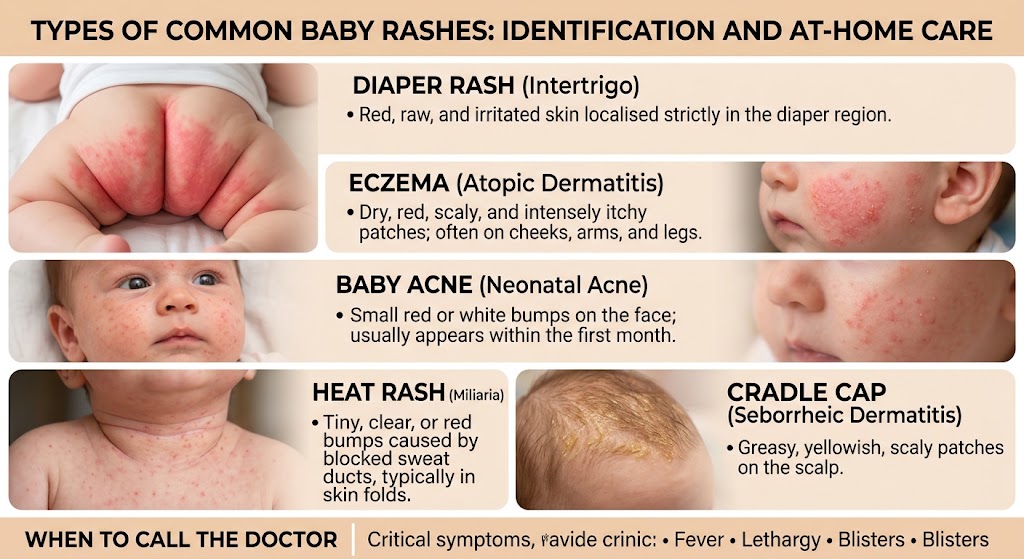
1. Diaper Rash
- What it looks like: Red, raw, and irritated skin localized strictly within the diaper region.
- The cause: Prolonged contact with wet or soiled diapers, friction, or sensitive skin.
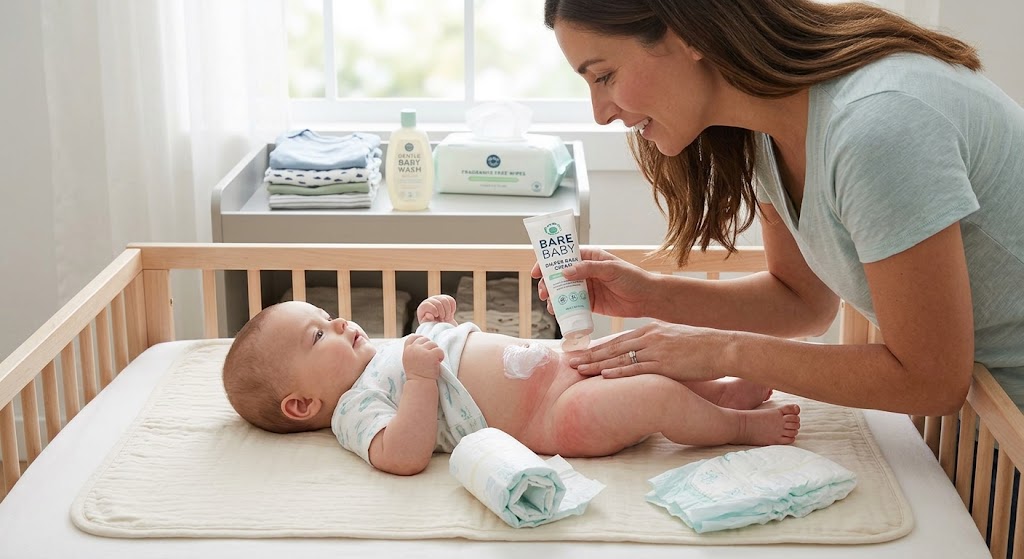
- How to treat it: Change diapers frequently to keep the area dry. Apply a thick layer of a barrier cream containing zinc oxide or petroleum jelly during every change. Let your baby enjoy some "naked time" each day to allow the skin to air dry naturally.
2. Infant Eczema (Atopic Dermatitis)
- What it looks like: Dry, red, scaly, and intensely itchy patches. It most commonly shows up on a baby’s cheeks, forehead, arms, and legs.
- The cause: A mix of genetics, environmental triggers, and a sensitive skin barrier.
- How to treat it: Hydrate the skin immediately after bath time using thick, fragrance-free ointments or creams (rather than thin lotions). Stick to mild, soap-free cleansers and wash all baby clothes in hypoallergenic, fragrance-free detergents.
3. Baby Acne (Neonatal Acne)
- What it looks like: Small red or white bumps on the cheeks, nose, and forehead, usually appearing within the first few weeks of life.
- The cause: Maternal hormones passed to the baby before birth.
- How to treat it: Patience is key here. Wash your baby's face daily with warm water and a mild baby soap. Never squeeze, pinch, or scrub the bumps, and avoid using adult acne treatments. It will typically clear up on its own within a few weeks.
- What it looks like: Small red or white bumps on the cheeks, nose, and forehead, usually appearing within the first few weeks of life.
4. Heat Rash (Miliaria)
- What it looks like: Tiny, pinkish-red bumps that cluster in areas prone to sweating, such as the neck, armpits, chest, and skin folds.
- The cause: Blocked sweat ducts, usually due to hot weather or overdressing.
- How to treat it: Cool the baby down by moving them to an air-conditioned or shaded room. Dress them in loose, breathable cotton clothing. Avoid heavy ointments or oils on these areas, as they can block pores further.
5. Cradle Cap (Seborrheic Dermatitis)
- What it looks like: Thick, greasy, yellowish, or crusty scales on the scalp. It can sometimes appear behind the ears or around the eyebrows.
- The cause: An overproduction of skin oil (sebum) combined with a common skin yeast.
- How to treat it: Wash your baby’s scalp with a gentle baby shampoo. While lathered, use a soft-bristled baby brush or washcloth to gently loosen the flakes. For stubborn crusts, massage a few drops of baby oil onto the scalp a few minutes before bath time to soften them.
Golden Rules for Healthy Baby Skin
To keep your baby’s skin barrier protected, follow these three daily habits:
- Go fragrance-free: Avoid scented wipes, soaps, and lotions.
- Pat, don't rub: Always gently pat your baby's skin dry with a soft towel after baths.
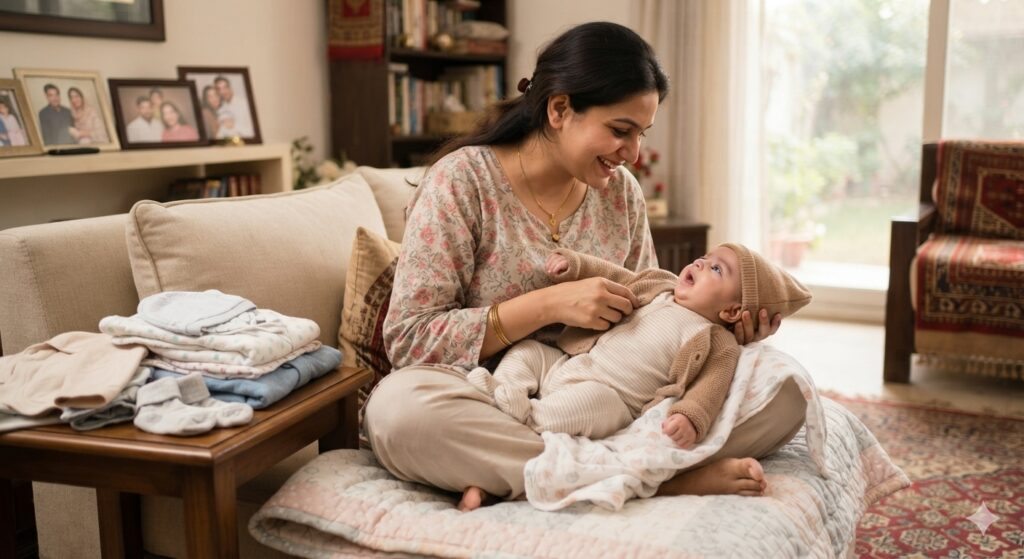
- Dress for the weather: Layer clothing so you can easily remove a layer if your baby starts to feel warm.
When to Call the Pediatrician
While most rashes fade with simple home remedies, you should contact your doctor immediately if the rash is accompanied by a fever, lethargy, fluid-filled blisters, or if the spots do not briefly turn white (blanch) when you press on them.







 Summer Collection
 Shorts Sets
 summer pjs
 T shirts
 Bottoms
 Fabric Shorts
 Dungarees
 Swaddles
 Exclusive Picks
 Winter Collection
 Tracksuits
 Hoodies
 Sweatshirts
 Trousers